1. Morning Light on the Promenade
The morning in Nice begins softly, like a watercolor gradually taking shape under a careful hand. I woke early, not because of an alarm or a schedule, but because the city itself seems to coax you out of bed with its gentle promises of sunlight and salt air. The shutters of my room creaked open to a sky streaked with the first hues of pink and orange, the rooftops below still wearing their blue-grey dawn coat.
Stepping out, the streets were hushed, as though the city itself was stretching. I took the Rue Gioffredo toward Place Masséna, where the elegant black-and-white tile patterns guide you like a red carpet toward the sea. The statues in the square stood silent, their stone faces calm and timeless, while a solitary street cleaner passed with his cart, whistling quietly.
Then came that first sight of the sea.
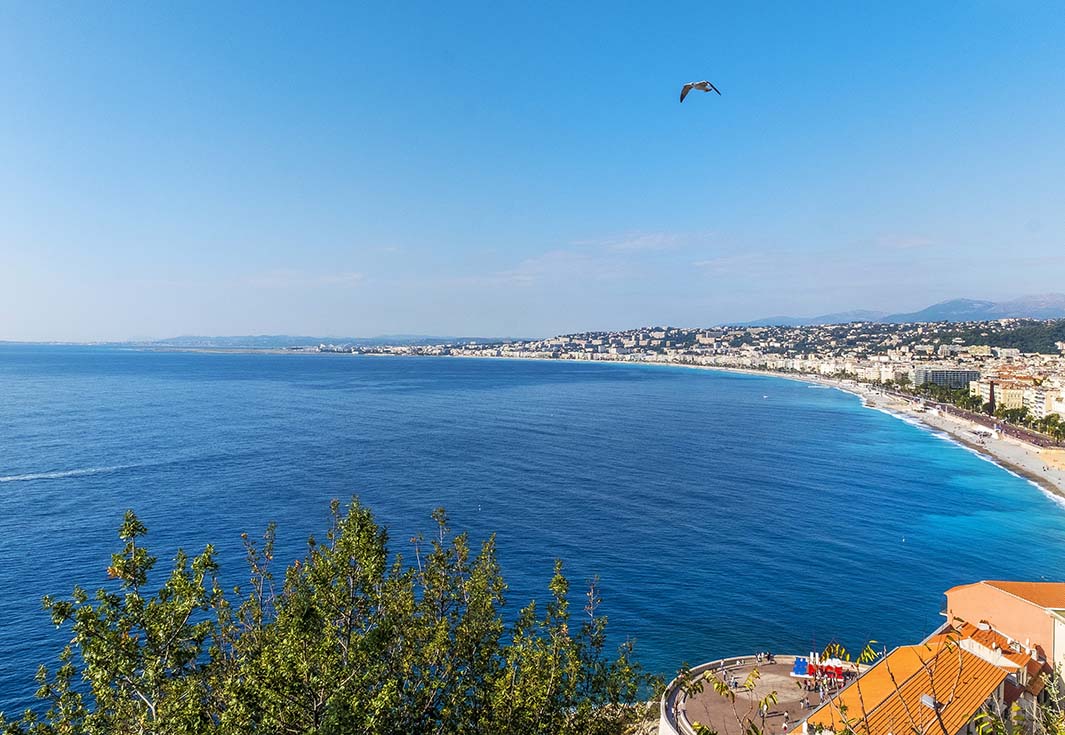
No matter how many postcards you’ve seen, how many Instagram filters have tried to capture it, the real Baie des Anges under the morning sun defies comparison. The Promenade des Anglais, graceful and deliberate, curved ahead like a ribbon unfurled for royalty. It’s not just a walkway—it’s a philosophy. Here, you walk not to reach somewhere, but to remember you have legs, lungs, and eyes that deserve something beautiful.
I joined the early risers—the joggers with their perfect cadence, the elderly ladies walking small white dogs wearing sweaters, the newspaper readers settled on the iconic blue chairs facing the sea. The Mediterranean glittered like a jewel spilled from a careless god’s pocket, and I walked as slowly as I dared, matching its rhythm.
2. Breakfast Under the Citrus Trees
Before long, the air began to carry the smell of coffee. I turned inland and made my way toward Rue de France, where small cafés were beginning to set out their chairs. I chose one almost at random—a place called Le Petit Caprice, its façade a sun-faded yellow with shutters painted the color of rosemary leaves. I sat beneath a citrus tree, its branches heavy with small oranges that glowed like lanterns.
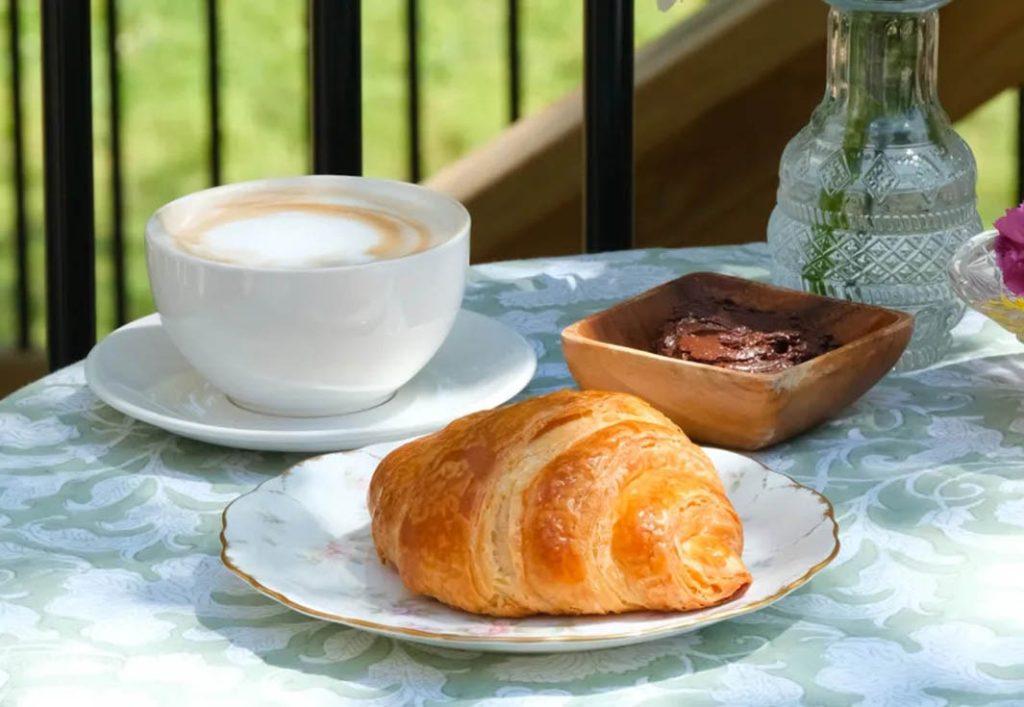
The waiter brought a silver tray: a café crème in a porcelain cup that warmed both hands, a croissant still steaming, and a tiny glass of fresh-pressed orange juice, sweet with a hint of tartness. Birds flitted about, pecking at crumbs with the confidence of regular patrons. Behind me, an old man was reading Nice-Matin, his glasses perched low, his espresso held with both hands like a votive candle.
There was no rush. In Nice, breakfast is not a fuel stop—it’s a celebration of the day to come.
3. Market Morning in Cours Saleya
By mid-morning, the market in Cours Saleya was alive with color and sound. As I entered the square, it felt like walking into an Impressionist painting come to life. Stalls overflowed with abundance: purple-striped aubergines, pale green courgettes with their blossoms still attached, strawberries so ripe their scent hit you like a memory.
Vendors called out cheerfully in French and Niçard, the local dialect. I lingered at a stand where a woman in a straw hat was selling small pouches of dried lavender sewn with Provençal fabric. Another stand offered oils—olive, walnut, truffle—lined up in bottles that caught the sun like stained glass.
At the socca stall, I stood in line behind a pair of Italian tourists who were debating, quite seriously, whether the texture of Niçois socca surpassed that of Ligurian farinata. The vendor—his arms dusted in chickpea flour—tore off a corner for me. It was hot, slightly crisp at the edges, and tender inside, tasting faintly of olive oil and wood smoke.
Further down the row, I was offered slivers of candied citrus peel, rounds of goat cheese rolled in herbs, and sun-dried tomatoes that nearly made me weep. A musician played an accordion near the flower stalls, and a young girl danced in mismatched shoes, the crowd clapping along as though this were all rehearsed.
4. Into the Labyrinth of Vieux Nice
Leaving the market, I turned into the heart of Vieux Nice. The change was instant. The bright openness of Cours Saleya gave way to narrow, shaded alleys—ruelles—flanked by tall buildings in hues of burnt orange, mustard, and faded red. The shutters here were either closed against the midday sun or thrown open, laundry lines strung like garlands between windows.
I wandered without a map, guided by scent and sound: the buttery aroma of pissaladière cooling on bakery shelves, the clang of a delivery cart on cobblestones, the murmur of locals exchanging gossip at the butcher’s window. Every turn revealed something new: a chapel with a chipped blue door, a bookstore spilling paperbacks into the street, a hidden courtyard where cats slept on warm stone steps.
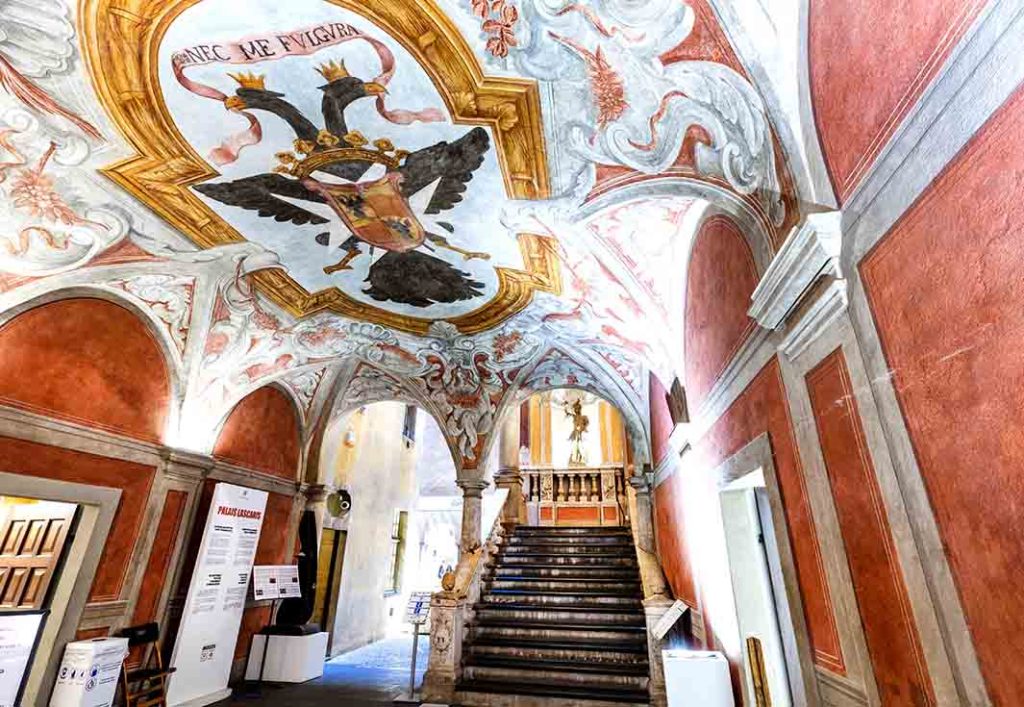
On Rue Droite, I ducked into the Palais Lascaris, a baroque jewel tucked into the old town’s fabric. The ceilings were frescoed, the staircases grand, and antique instruments lined the walls like a musical museum. But what struck me most was the silence—the kind of dignified quiet that lets you hear the creak of history under your feet.
5. Climbing Castle Hill
Later, I climbed the steps to Colline du Château. The ascent begins behind the Old Town, winding upward with sudden lookouts and shaded benches. Locals passed me on their morning walks, dogs leading the way with cheerful impatience.
At the top, the view spread before me with theatrical precision. Nice stretched out, its architecture laid like a tapestry: red-tiled roofs, white cornices, splashes of turquoise from rooftop pools. The sea seemed even more immense from this height—an uninterrupted sweep of blue that faded into haze at the horizon. I watched planes approach over the water, their paths smooth and unhurried.
A group of schoolchildren arrived, led by a teacher who pointed out landmarks with the practiced rhythm of a local historian. I sat nearby, eating a peach I had bought at the market earlier. Juice ran down my wrist. Somewhere nearby, a street musician played a soft melody on a wooden flute.
6. Afternoon Calm in Cimiez
After descending, I headed north to the Cimiez neighborhood. A short tram ride, and suddenly I was in a different world—quieter, greener, more residential. The streets here are lined with grand villas and manicured gardens, the kind of place where time seems to slow not just in pace, but in essence.
I visited the Roman ruins—modest, yet eloquent. Children played among them with the casual respect of those who’ve grown up alongside antiquity. The olive grove beside the arena is one of the city’s best-kept secrets: gnarled trees offer shade, while locals play cards or nap in folding chairs.
The Matisse Museum, a former Genoese villa painted red against a blue sky, was nearly empty. I wandered the rooms quietly. Matisse’s cut-outs were luminous, filled with movement and joy. In one room, his handwritten letters lined the walls—notes to friends, to his daughter, to gallery owners. They revealed a man deeply rooted in his surroundings, attuned to the colors and contours of Nice.
Outside, I sat on a bench and watched the shadows lengthen. The cicadas had begun their song.