1. A Frosty Morning Departure
The wind outside the window carried that unmistakable chill only December knows. Clermont-Ferrand, nestled deep in the heart of Auvergne, had been blanketed in a soft layer of snow the night before my departure. The rooftops shimmered faintly under the streetlights as I loaded my small rolling suitcase into the back of the cab. It was just past five in the morning.
The decision to fly to Nice in the winter came after weeks of craving sunlight. Though France in December offers a particular type of beauty—stone villages dusted with frost, Christmas markets glowing warmly—it was the Mediterranean coast I longed to see. Nice promised crisp sea air, palm-lined promenades, and a palette of colors starkly different from the muted greys and whites of central France.
2. Choosing a Flight: The Search Begins
Searching for flights from Clermont-Ferrand to Nice required more than a cursory glance at a travel app. The direct routes are limited, particularly in the winter months. Clermont-Ferrand Auvergne Airport (CFE) is a regional airport, functional and friendly, but not exactly bustling with international options.
I turned to Skyscanner for an initial sweep. The interface is simple, intuitive—just what I needed for comparing dates and airlines. After setting my preferences for the earliest possible flight and the shortest travel time, I found a few feasible options. While some required connections in Paris or Lyon, I focused on a route via Air France with a layover at Paris Orly. I booked directly through the Air France website to ensure more flexibility with customer support in case of weather-related delays, which aren’t uncommon this time of year.
Prices varied depending on the day and time, but my ticket cost approximately €142 with a 23 kg checked bag included. Booking early in the week seemed to offer the best rates. A friend had mentioned Google Flights as another good comparison tool; I cross-referenced just to be sure. The prices matched, but Air France’s site gave me more control over seat selection and baggage.
3. Arriving at Clermont-Ferrand Airport
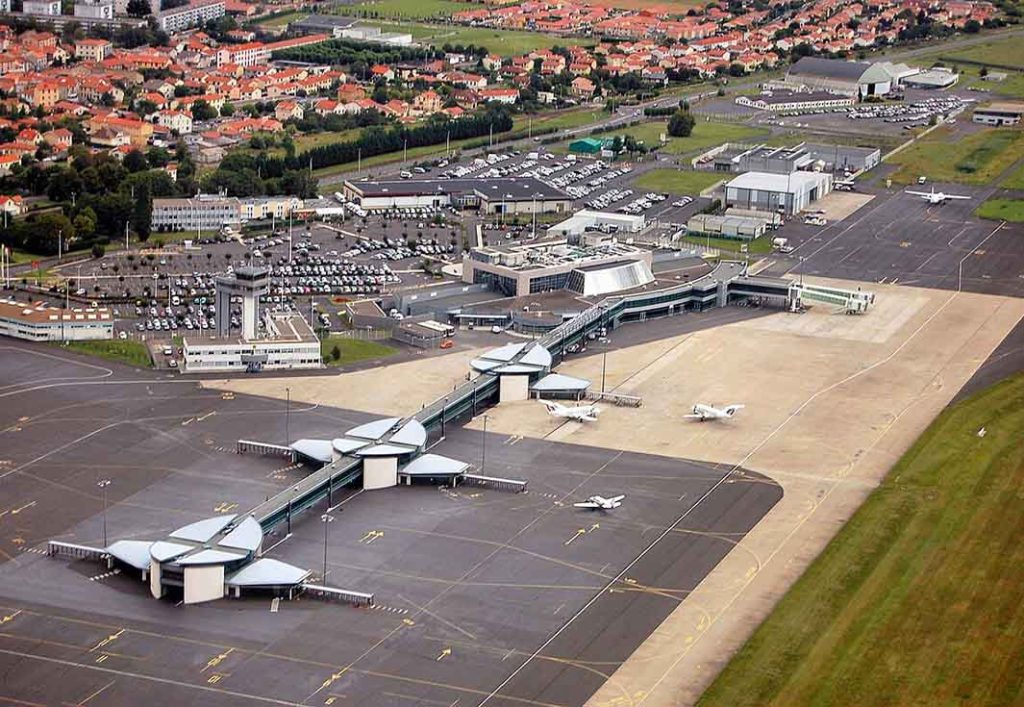
The cab dropped me at the terminal by 6:15 a.m. The airport, quiet and modest, operates with efficiency that larger airports often lack. Security took all of ten minutes. The café before the gates had just opened, and the smell of fresh croissants filled the chilly air. A café crème and a pain au chocolat cost just under €5—a small comfort before takeoff.
The boarding gate for Paris-Orly opened on time, and the staff moved with that particular winter calm—no rush, no panic, only the subdued hum of seasoned travelers and the occasional clink of suitcase wheels on tile.
4. The First Leg: Clermont-Ferrand to Paris-Orly
Boarding was smooth. The ATR 72-600 aircraft was compact but comfortable, with a 2-2 seating configuration. Takeoff offered a postcard view of Auvergne’s volcanic hills, powdered with snow. The flight to Paris lasted just over an hour. Cabin service was minimal—just a drink—but the flight was on time, which in winter, felt like a small victory.
Landing in Orly was straightforward. The airport was busier than Clermont-Ferrand but still manageable. With a three-hour layover, I had time to explore Terminal 2. Orly’s winter decorations were tasteful and not overly commercial—more pine and ribbon, less neon. I found a seat near a large window overlooking the tarmac and sipped on an espresso while answering emails.
5. Connecting to Nice: Airborne to the Riviera
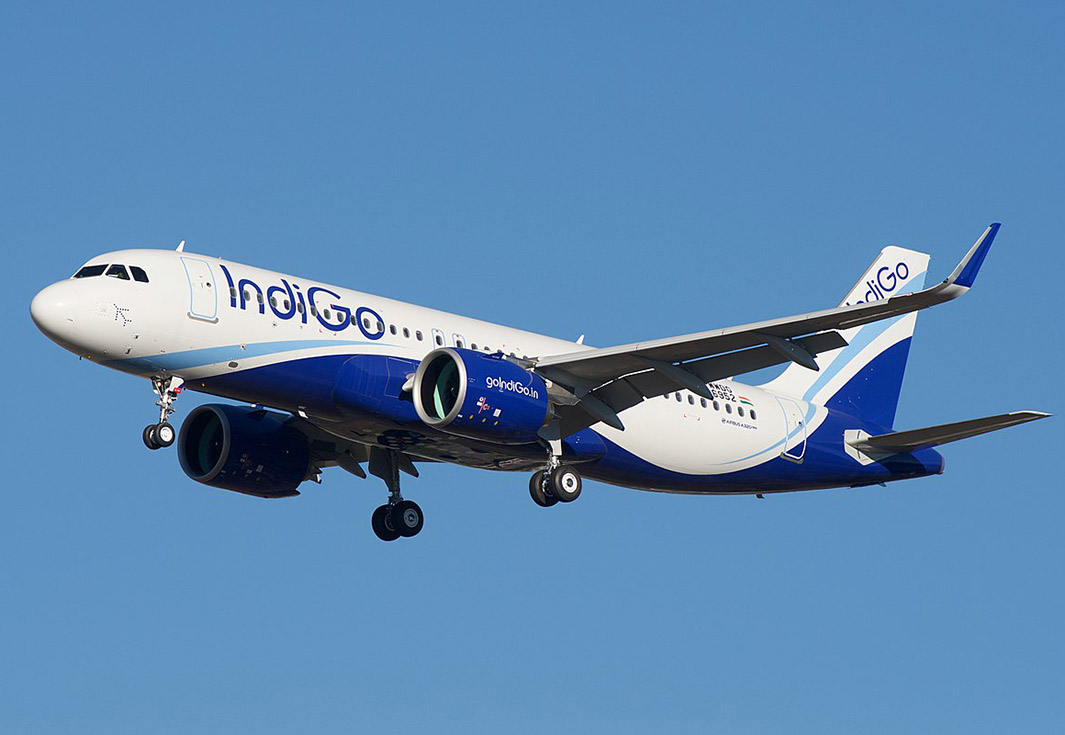
The next leg to Nice was aboard an Airbus A320. Slightly more spacious and noticeably warmer—both in cabin temperature and the general mood. Passengers included a mix of business travelers and a few early holidaymakers.
The flight path took us over the Alps, whose snow-covered peaks glistened under the morning sun. I had chosen a window seat on the right side, and the views made the choice worthwhile. As we descended toward Nice Côte d’Azur Airport, the blue hues of the Mediterranean came into view, a stark contrast to the snowy interiors we had left behind.
Touchdown was smooth, the tarmac dry, and the sky a piercing blue. The temperature was a pleasant 14°C, balmy for December. Palm trees swayed gently as we taxied to the gate.
6. Disembarking and Ground Transportation
Nice Côte d’Azur Airport, modern and efficient, makes a strong first impression. Luggage arrived promptly at the carousel, and signage in both French and English guided me effortlessly to ground transportation. I opted for the tram (Line 2), which connects directly from the airport to the city center for just €1.70. Tickets were easy to purchase from machines near the tram stop, which accepted cards.
The ride to Jean Médecin station took under 30 minutes. Glimpses of the sea, the Promenade des Anglais, and the ochre facades of Old Town painted the windows as the tram rolled into the heart of Nice.
7. Accommodations and First Impressions
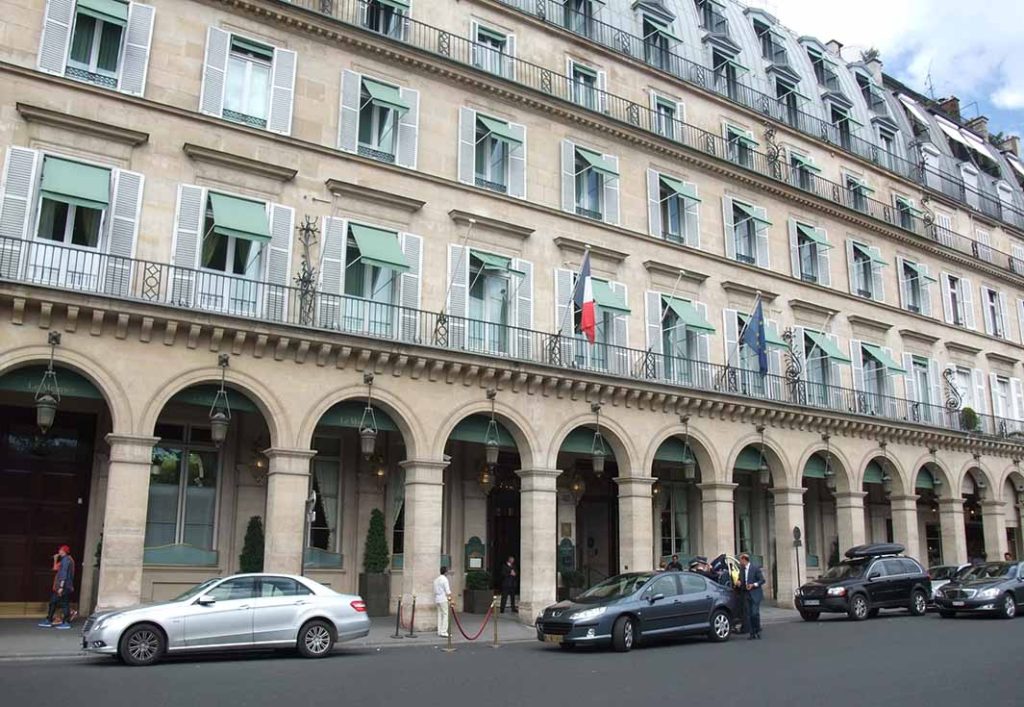
I had booked a small hotel just off Place Masséna—Hôtel Le Meurice—charming, mid-century modern, and reasonably priced at €96 a night with breakfast. The front desk staff spoke excellent English and provided a local map with handwritten recommendations.
Unpacking didn’t take long. I stepped out just after noon to the aroma of grilled seafood from a nearby restaurant. The sun felt warmer than expected. Locals were out in jackets and scarves, but a few tourists—clearly from colder corners—walked the promenade in T-shirts.
8. Weather and What to Pack
Nice in winter walks the fine line between brisk and mild. Daytime temperatures hover between 12°C to 16°C, while nights can dip to 6°C. A warm coat is essential for evenings, especially near the water. I had packed layers—wool sweaters, a scarf, gloves, and a weather-resistant trench coat. Comfortable shoes proved invaluable, as the cobbled streets in Old Town are both picturesque and ankle-twisting.
The light in Nice during winter is another story altogether. It’s softer, golden, with long shadows that stretch across the Promenade des Anglais. The sea sparkles even when the breeze picks up. The air, though cooler than summer, is clean and invigorating.
9. Dining and Winter Cuisine
One of the lesser-known joys of traveling to Nice in winter is the food. Restaurants are less crowded, and seasonal dishes abound. Socca—chickpea pancake cooked in a wood-fired oven—warms both hands and stomach. Paired with a glass of local rosé (served chilled even in winter), it makes for a simple but memorable meal.
I wandered into a family-run bistro near the port. The owner recommended a daube provençale—a slow-cooked beef stew with olives and herbs, served with fresh tagliatelle. Rich, aromatic, and perfectly suited for a winter evening.
10. Language and Interactions
French remains the dominant language, but English is widely understood, particularly in hospitality and tourism. My attempts at French were met with encouragement rather than impatience. A smile and a polite “Bonjour” went a long way, even when my vocabulary faltered.
11. Observations from the Journey
What struck me most during the flight and upon arrival was the contrast between France’s heartland and its southern edge. Clermont-Ferrand’s quiet intensity, its smoke curling from chimneys and the deep silence of snowy mornings, felt a world apart from Nice’s radiant openness. Yet both belong to the same country, connected by just a few hours of flight.
Air travel in winter can be unpredictable. Delays, cancellations, and weather disruptions are always a possibility. But planning carefully—choosing reputable airlines, checking weather forecasts, booking morning flights (less prone to delays)—made a difference.
The journey had taken nearly six hours door to door, including layovers and transit. Not swift by high-speed train standards, but given the views, the warmth of the Riviera upon landing, and the seamless airport transitions, it felt worth every minute.