1. Arrival in the Heart of Auvergne
My journey to Clermont-Ferrand began with a certain anticipation unique to places that blend natural grandeur with centuries of history. Nestled in the heart of France, this city is famously cradled by the Chaîne des Puys, a chain of dormant volcanoes designated as a UNESCO World Heritage site. It’s a place where geological power and pastoral charm coalesce seamlessly.
Getting to Clermont-Ferrand was straightforward. I took a direct train from Paris Bercy to Clermont-Ferrand station, a scenic four-hour journey that transitioned from urban bustle to volcanic vistas. The transition felt symbolic—a shedding of metropolitan rush for the soulful silence of ancient mountains.
2. The Hidden Village by the Volcano
Instead of staying within the city limits, I was drawn to the idea of living closer to the earth, quite literally—near the volcanoes themselves. After hours of research, I found a gem: “Maison d’Hôtes Le Clos des Volcans” in the small village of Orcines, just a 15-minute drive from Clermont-Ferrand’s city center.
I booked the guesthouse through Booking.com, attracted by the overwhelmingly positive reviews and its promise of authenticity. The cost was €115 per night, including breakfast, for a double room with a view of the Puy de Dôme. I stayed for five nights, totaling €575. A fair price for what would turn out to be a memorable experience carved into the quiet slopes of a dormant volcano.
3. First Impressions: A House with a Pulse
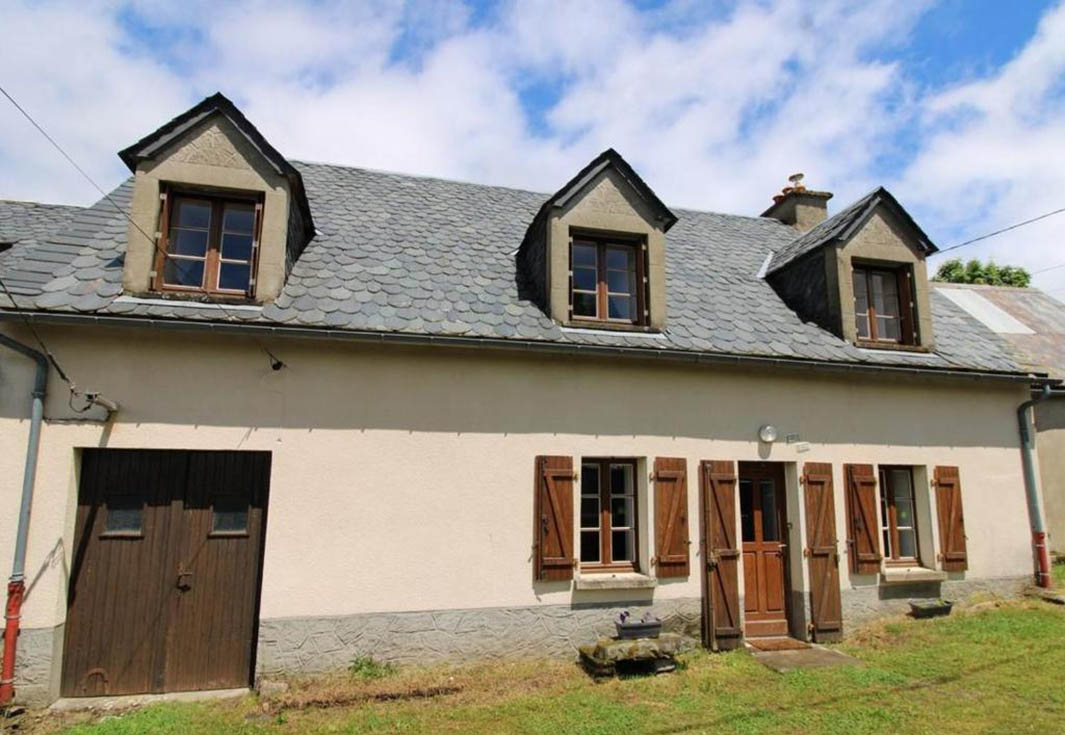
Orcines itself is a postcard village—stone houses with slate roofs, gardens that seem to grow from ancient lava soil, and narrow lanes that bend and twist with old-world charm. Upon arrival at Le Clos des Volcans, the weight of history hit me. The house, a beautifully restored Auvergnat stone villa, stood dignified against a backdrop of green hills and volcanic silhouettes.
A tall wrought-iron gate opened to a gravel courtyard, framed by lavender bushes and the melodic chirping of birds. The host, Madame Fournier, greeted me with a warmth so genuine that it set the tone for the rest of the stay. She wore a linen apron, carried the scent of fresh herbs, and spoke with that slow, melodic rhythm that only mountain villages seem to bestow upon their people.
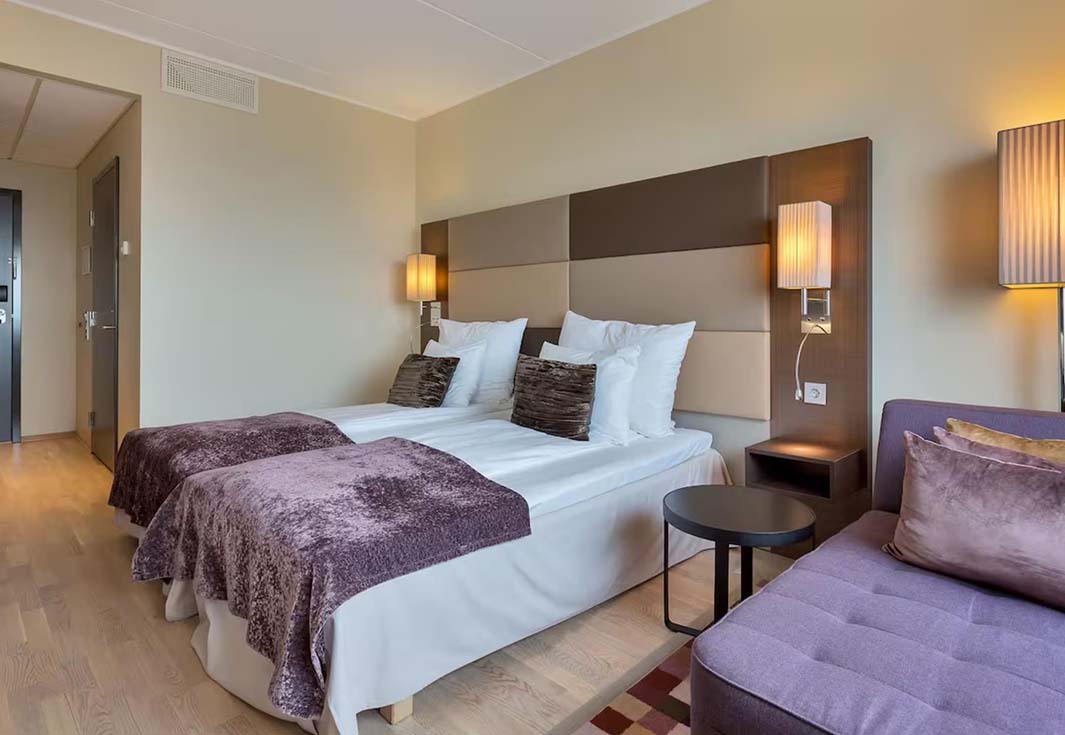
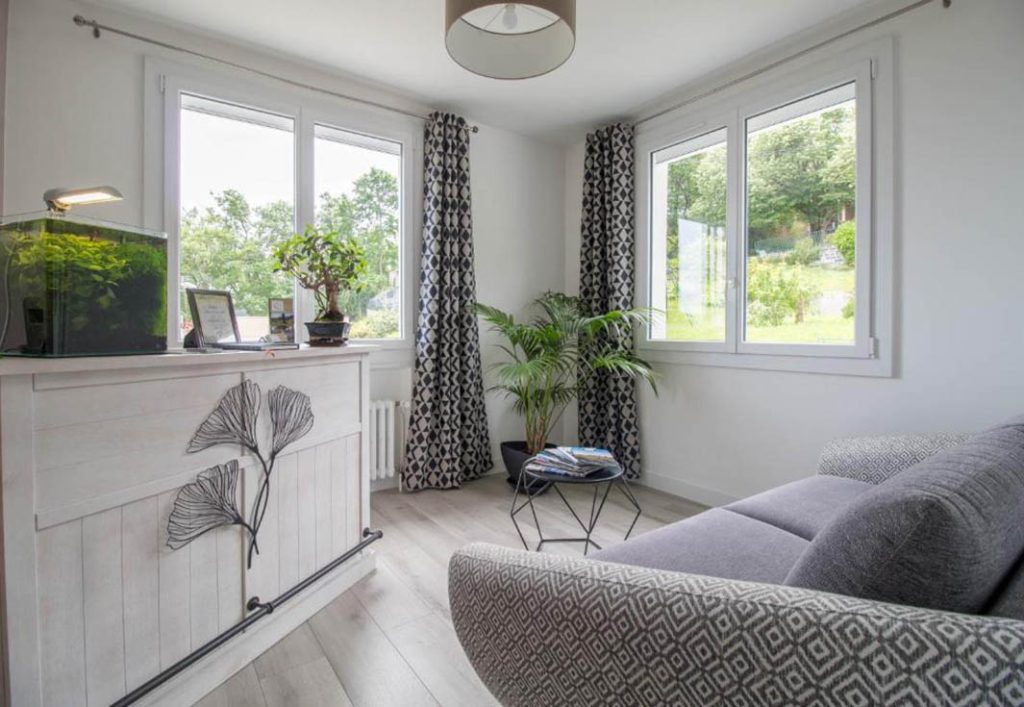
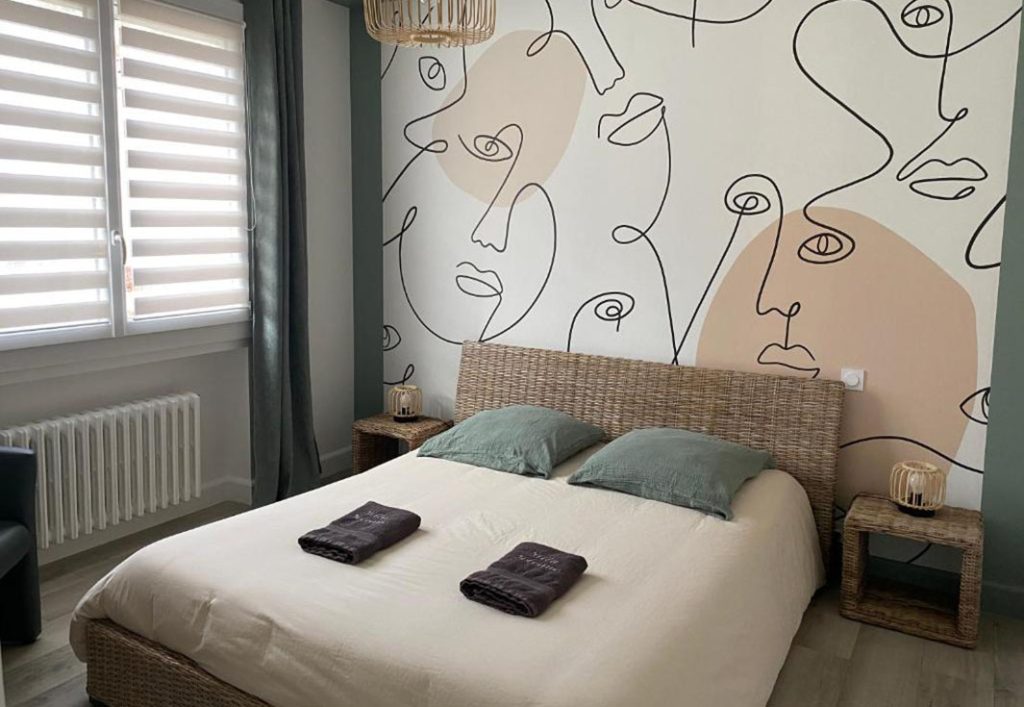
The house itself was a blend of rustic architecture and modern comfort. Original wooden beams crossed over a high ceiling in the lounge. A stone fireplace sat dormant, but retained the faint scent of burnt oak. My room was on the upper floor, with windows opening directly toward the iconic Puy de Dôme. It was more than a room—it was a frame to a natural masterpiece.
4. Life at Le Clos des Volcans
Each morning began with a breakfast that belonged in a countryside fairy tale. Freshly baked baguettes and croissants, homemade jams (the fig and lavender one was ethereal), local cheeses, and a selection of herbal teas picked from the garden outside.
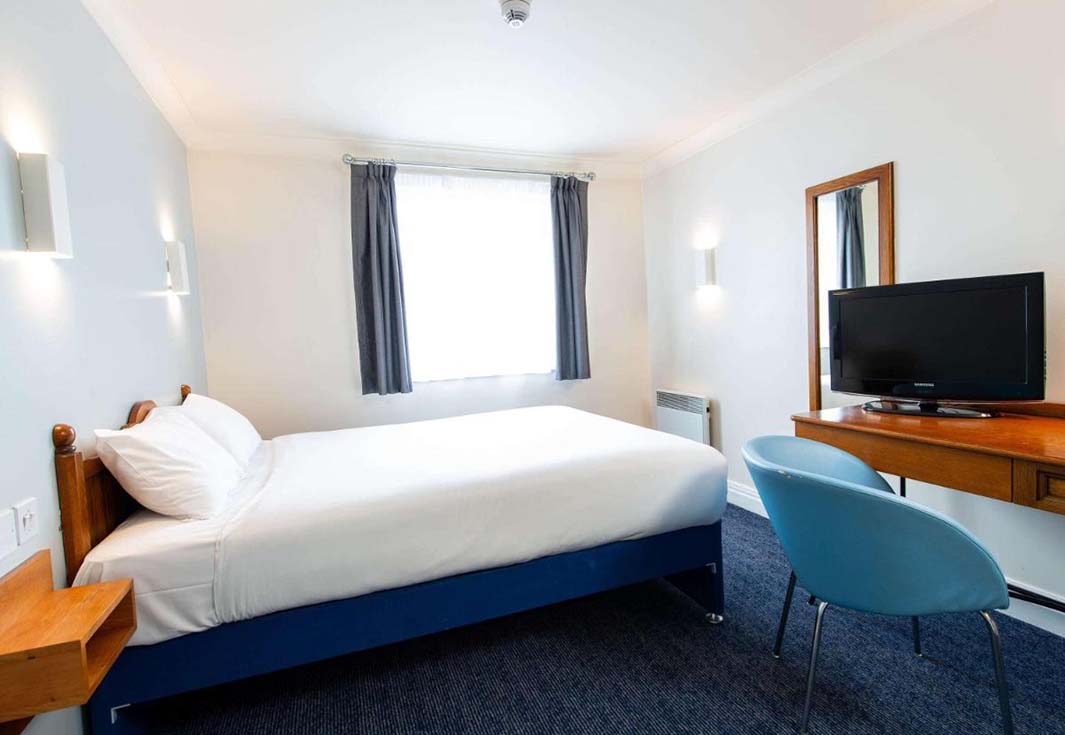
What struck me most was how quiet everything was. No cars, no crowds—just the occasional murmur of the wind or a distant church bell. The room had no TV, by design. I didn’t miss it. The real entertainment lay outside: shifting clouds casting shadows on the hills, a hawk circling in silence, and every evening, a sunset that painted the sky in molten gold and volcanic reds.
5. Exploring the Volcanic Terrain
Staying in Orcines placed me at a strategic spot for exploring the surrounding natural wonders. The Panoramique des Dômes, a cog railway that ascends to the summit of Puy de Dôme, was just five minutes away by car. I went up twice—once in the morning when mist hugged the mountain like a secret, and once in the late afternoon when light poured across the valleys in sheets of amber.
The summit offers 360-degree views of the Chaîne des Puys, the Limagne plain, and the distant peaks of the Massif Central. There’s a Roman temple up there—remnants of a time when the volcano was revered as sacred ground. I sat near the edge, not thinking about anything in particular, just feeling the immensity of time and nature converge.
I also ventured into the Volcano Park (Parc Naturel Régional des Volcans d’Auvergne), a sprawling reserve of trails, lava domes, and crater lakes. The trails are well marked, but some are surprisingly steep. A particular highlight was the hike around Puy Pariou, a near-perfect volcanic cone with a mossy crater that looks like something from another planet.
6. Meeting the Locals
Evenings at the guesthouse were peaceful and communal. On my third night, Madame Fournier hosted a small dinner for guests, a weekly affair she described as “the heart of our home.” We gathered around a long wooden table in the dining room. There were seven of us: a couple from Belgium, two women from Lyon, a German hiker, and myself.
Dinner was simple and perfect. Lentil soup made with Puy lentils, roasted duck breast with wild mushrooms, and a pear tart that, frankly, I would fly back to Orcines for. Conversation meandered through broken English, French, and laughter. It was a reminder that connection often transcends language.
7. Hidden Gems in and Around Clermont-Ferrand
On one of the rainier days, I spent time in Clermont-Ferrand itself. The city, known for its black volcanic stone architecture, has an imposing yet captivating aesthetic. The Cathedral of Notre-Dame-de-l’Assomption, constructed entirely from lava stone, looms over the city like a medieval guardian. Inside, the stained glass windows seemed to shimmer despite the lack of sunlight.
I stopped at Place de Jaude, the beating heart of the city, and warmed myself with a cup of chocolat chaud at Café Les Augustes—a bohemian spot that doubles as a library and cultural salon.
Another day, I visited L’Aventure Michelin, the museum dedicated to the iconic tire brand that was born here. It’s surprisingly engaging, weaving industrial history with personal stories and interactive exhibits.
8. A Day Trip to Saint-Nectaire
Wanting a taste of the surrounding countryside, I rented a car for a day trip to Saint-Nectaire, about 40 minutes away. The village is famed for its cheese, yes, but also for its 12th-century Romanesque church that seems to rise directly from the hill it sits on.
I tasted fresh Saint-Nectaire cheese from a farm where the cows had names and personalities. They told me this wasn’t cheese—it was “a way of life.” I believed them.
9. Evenings of Firelight and Silence
Back at the guesthouse, evenings became a ritual. A glass of Côtes d’Auvergne wine, a book by the fire, and the comforting sounds of a house settling into night. The weather was variable—clear skies one evening, gentle rain the next—but every night had its own rhythm.
There were no clocks in my room, a deliberate choice that felt liberating. I slept early, woke with the sun, and for once, felt perfectly in sync with the world outside the window.
10. Farewell to the Volcanoes
On my final morning, I stood outside the house before sunrise. The peaks were still shadows, the sky bruised with purple and silver. I could hear a stream somewhere and the low hum of bees waking up.
Madame Fournier handed me a small jar of jam as a farewell gift—fig and thyme. I packed it carefully, like a talisman. Something to open on a cold day when the city feels too loud, to remember what silence, lava, and lavender can do for the soul.